
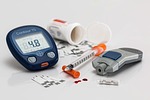
Diabetes Prevention and Management: A Practical Guide to a Healthier Life
Introduction
In today's fast-paced world, diabetes has become a global health concern. While a diagnosis can feel overwhelming, understanding how to manage or prevent the condition is the first step toward reclaiming your health. This guide provides evidence-based insights into maintaining balanced blood sugar levels and improving overall well-being.
What is?
At its core, diabetes mellitus is a chronic health condition that affects how your body turns food into energy. When you eat, your body breaks down carbohydrates into glucose (sugar) and releases it into your bloodstream. The pancreas then releases insulin, a hormone that acts like a key, allowing blood sugar into your body’s cells to be used for energy. In diabetes, your body either doesn't make enough insulin or can't use it as effectively as it should, leading to high blood sugar levels.
Common Causes and Reasons
The root cause depends on the type of diabetes. Type 1 diabetes is an autoimmune reaction where the body stops producing insulin. Type 2 diabetes, which is much more common, occurs when the body becomes resistant to insulin or fails to produce enough to maintain normal levels. Factors contributing to this include genetics, environmental triggers, and lifestyle choices.
Recognizing the Symptoms
Early detection is crucial. Keep an eye out for these common warning signs:
- Frequent urination, especially at night.
- Unexplained, excessive thirst.
- Unintended weight loss.
- Blurred vision.
- Persistent fatigue or exhaustion.
- Slow-healing sores or frequent infections.
- Increased hunger even after eating.
Key Risk Factors
Certain factors can increase your likelihood of developing Type 2 diabetes:
- Weight: Being overweight or obese is a primary risk factor.
- Inactivity: A sedentary lifestyle reduces how well your body uses insulin.
- Family History: Having parents or siblings with diabetes increases risk.
- Age: The risk increases as you get older, though it is becoming more common in younger populations.
- Ethnicity and Gestational History: Certain ethnic groups and women who had gestational diabetes during pregnancy are at higher risk.
Prevention Tips: Small Steps, Big Impact
You can significantly lower your risk of diabetes by adopting these evidence-based habits:
- Focus on Whole Foods: Prioritize high-fiber vegetables, whole grains, and lean proteins while limiting processed sugars.
- Stay Physically Active: Aim for at least 150 minutes of moderate-intensity aerobic activity, such as brisk walking, per week.
- Maintain a Healthy Weight: Even modest weight loss (5-10% of body weight) can improve insulin sensitivity.
- Hydration: Choose water over sugary sodas and fruit juices.
- Routine Screenings: Regular check-ups with your physician allow for early intervention.
Management Options
Managing diabetes is about balancing blood sugar levels through lifestyle and medical support:
- Healthy Eating Plate: Follow the "plate method"—fill half your plate with non-starchy vegetables, a quarter with lean protein, and a quarter with whole grains.
- Monitoring: Regular blood glucose monitoring helps you understand how different foods and activities affect your body.
- Medical Treatment: Depending on your specific case, your doctor may recommend oral medications or insulin therapy. Always follow your prescribed regimen strictly.
When to Consult a Doctor
You should seek professional medical advice if you experience persistent symptoms or if your routine blood tests indicate high fasting glucose or HbA1c levels. Do not attempt to self-diagnose or alter medical treatments without clinical guidance.
Frequently Asked Questions (FAQs)
- Can diabetes be cured completely? While there is no known 'cure', Type 2 diabetes can be put into remission through significant weight loss and lifestyle changes under medical supervision.
- Is fruit bad for diabetics? Not necessarily. Fruits are rich in fiber and vitamins. Portion control and choosing low-glycemic fruits like berries are key.
- Does stress affect blood sugar? Yes. Stress releases hormones that can cause blood glucose levels to rise.
- Can I eat sugar if I have diabetes? Small amounts can be incorporated into a balanced diet, but it is best to avoid added sugars and focus on complex carbohydrates.
- How often should I test my blood sugar? This varies by individual; follow the specific frequency recommended by your healthcare provider.
Conclusion
diabetes prevention and management
Taking control of your health is a proactive journey. By understanding the risks, recognizing symptoms, and committing to sustainable lifestyle choices, you can manage your blood sugar effectively and lead a vibrant, healthy life. Remember, this information is for educational purposes. Always prioritize your doctor's recommendations.
Disclaimer: This content is for general information purposes only and does not constitute professional medical advice, diagnosis, or treatment. Always seek the advice of your physician or another qualified health provider with any questions you may have regarding a medical condition.
